
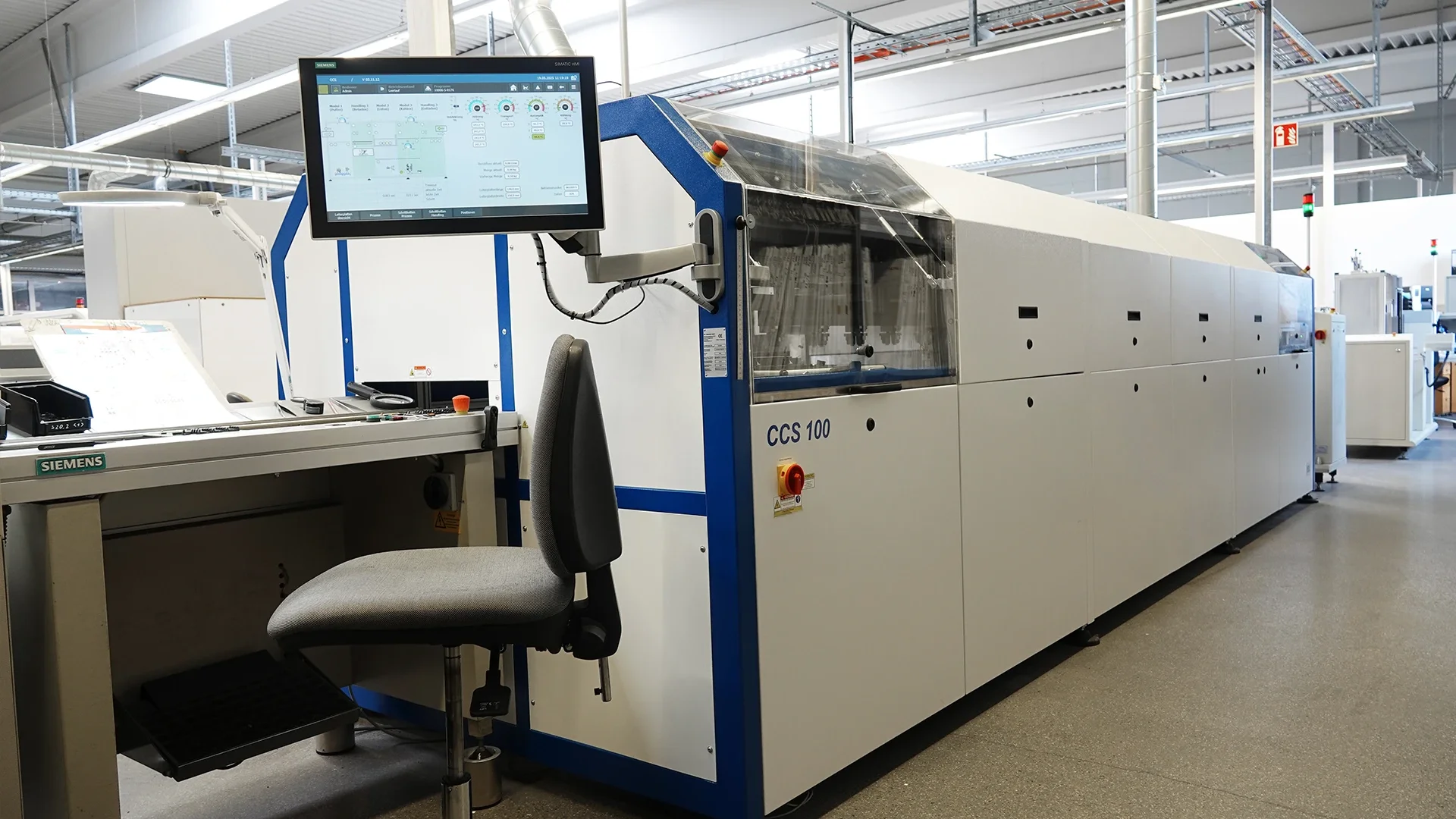
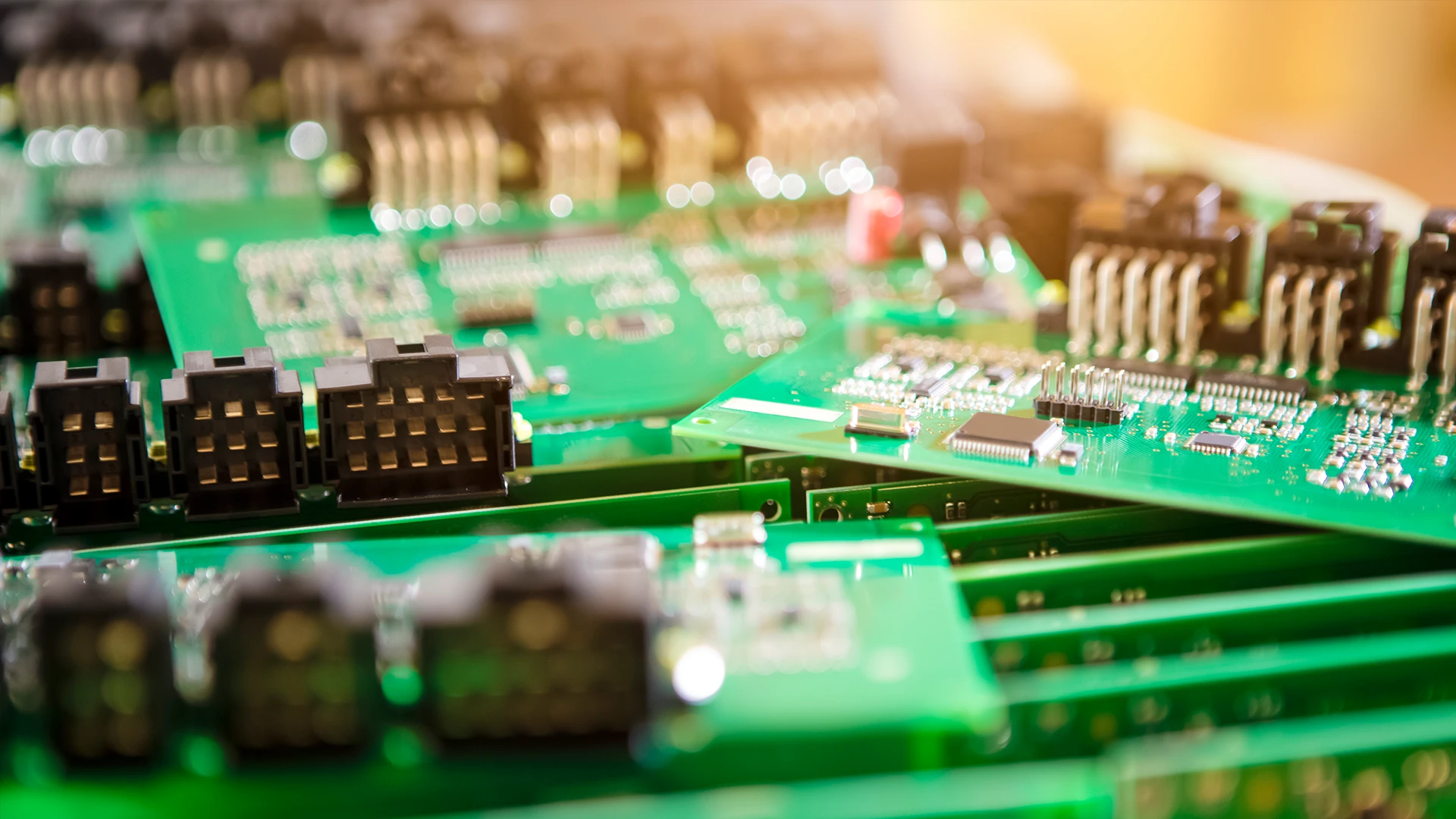
Higher component densities, temperature-sensitive components, large differences in thermal mass, and increasing quality requirements call for a soldering process that combines maximum process stability with the highest energy efficiency. Vapor-phase soldering is now one of the most reliable reflow soldering processes for demanding electronic assemblies. Unlike conventional convection processes, heat transfer occurs via the condensation of a special heat transfer medium, in this case Galden. This ensures that every assembly is heated extremely uniformly, regardless of its geometry, mass, or component arrangement.
For many years, IBL Löttechnik has been developing vapor-phase soldering systems for prototypes, small-batch production, and industrial mass production, combining the physical advantages of the process with intelligent process controls to ensure maximum reproducibility.
Why vapour phase soldering?
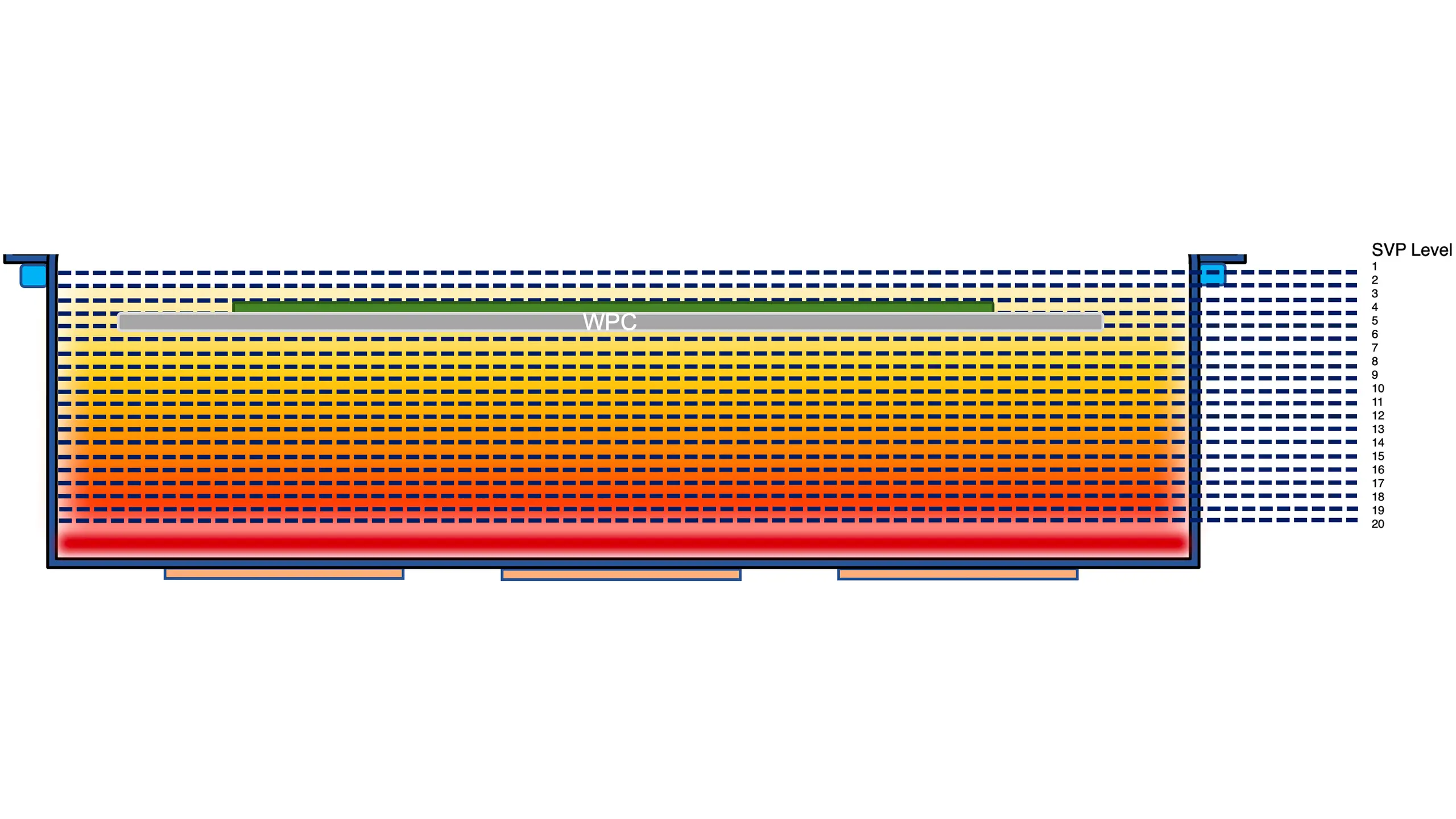
Vapor-phase soldering is based on a physically well-defined process. In this process, Galden is heated to its boiling point (ranging from 165 to 260 °C, depending on the type of Galden). The resulting saturated vapor rises and condenses on the cooler assembly. During condensation, what is known as latent heat is released. This energy heats the printed circuit board extremely evenly across its entire surface. As soon as the assembly reaches the temperature of the vapor, condensation stops automatically. As a result, no further energy can be transferred.
This self-limiting principle reliably prevents sensitive components from overheating and ensures reproducible temperature profiles regardless of the operator or the assembly.
The Vapor-Phase Soldering Process
Step 1 – Creating the Steam Zone
The Galden process medium is heated in a controlled manner to a defined boiling point. The temperature of the vapor corresponds exactly to the subsequent maximum brazing temperature.
Step 2 – Inserting the Assembly
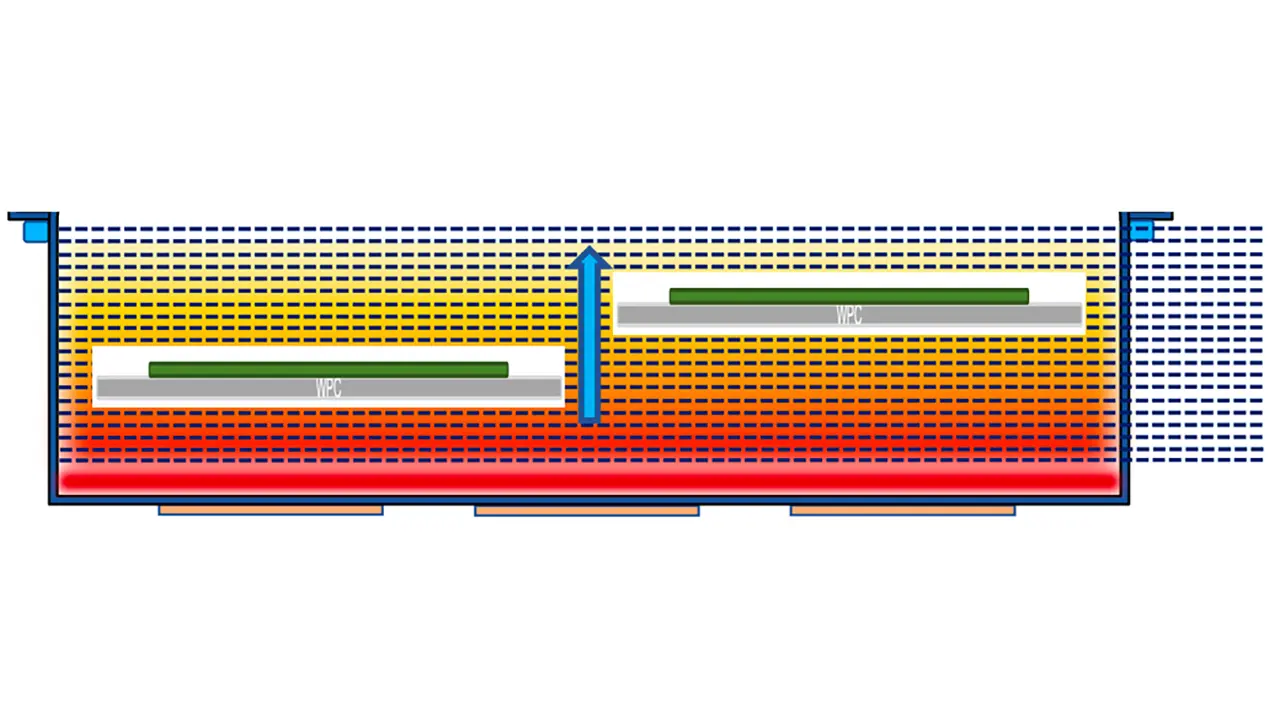
The assembled circuit board is placed in the saturated vapor zone. The vapor immediately begins to condense on all surfaces.
Step 3 – Uniform Energy Transfer
The resulting liquid film transfers the heat of condensation extremely efficiently to all components. Even assemblies with large differences in thermal mass heat up evenly.
Step 4 – Self-Limiting Heating
Once the assembly has reached the vapor temperature, condensation stops automatically. Overheating is physically impossible.
Step 5 – Cooling
Once the soldering process is complete, the flux evaporates from the assembly without leaving any residue. This is followed by a controlled cooling process.
The Advantages of Vapor-Phase Soldering
Maximum process reliability
The maximum temperature is determined solely by the boiling point of the medium. This results in reproducible soldering profiles without temperature overshoots.
Even temperature distribution
Even complex assemblies containing massive heat sinks, power semiconductors, or fine SMD components are heated uniformly.
Oxygen-Free Soldering Process
Throughout the entire process, the assembly is kept in a virtually oxygen-free atmosphere. Oxidation is effectively prevented, resulting in high-quality solder joints.
Optimal Processing of Modern Assemblies
Whether BGA, QFN, LGA, SiP, power modules, or sensitive sensors, vapor-phase soldering is ideal for modern electronics.
Energy-efficient
Direct condensation heat provides a significantly higher heat transfer efficiency than air or infrared. This reduces energy consumption and operating costs.
Vacuum vapor-phase brazing for the highest quality standards
For electronic assemblies with high reliability requirements, reducing voids plays a crucial role. That is why IBL combines the vapor-phase process with high-performance vacuum technology. During the soldering process, trapped gases are specifically removed. The result is a significant reduction in voids, improved heat transfer, and greater mechanical strength of the solder joints. This technology is now standard in many applications, particularly in power electronics, the automotive industry, aerospace, and medical technology.
Intelligent Process Control from IBL
IBL's vapor-phase systems feature various intelligent control algorithms that go far beyond a traditional reflow process.
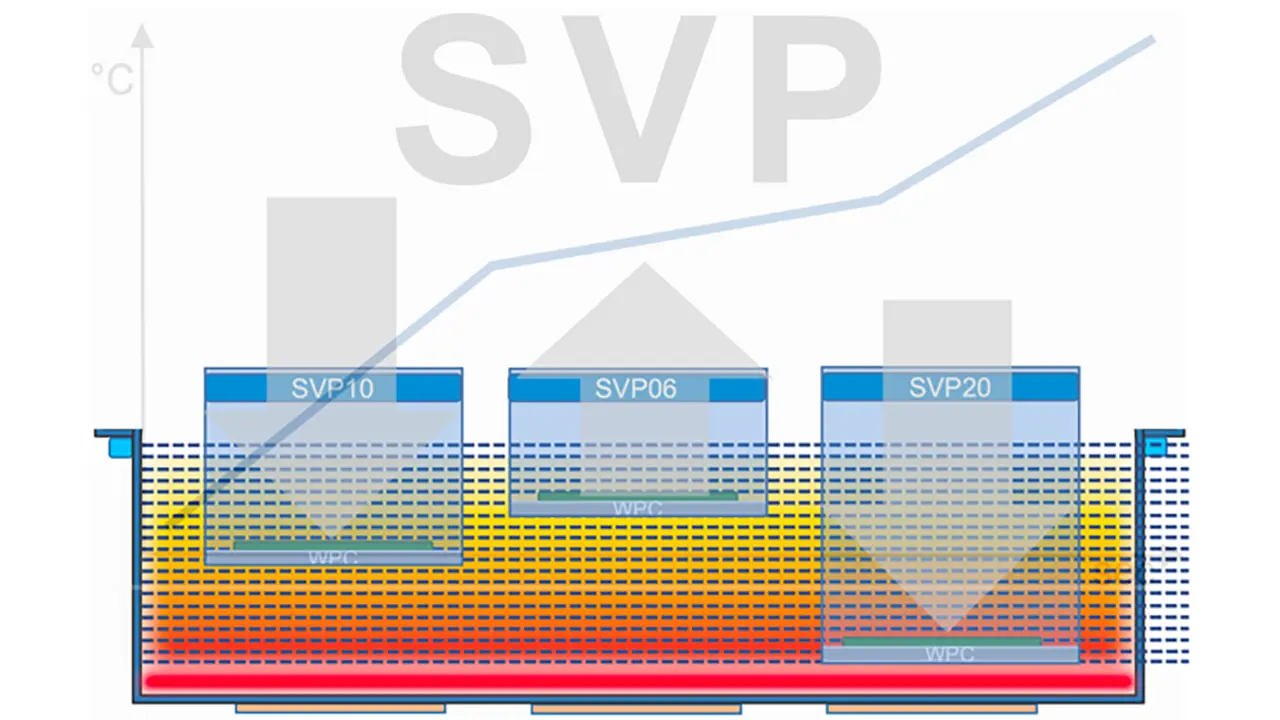
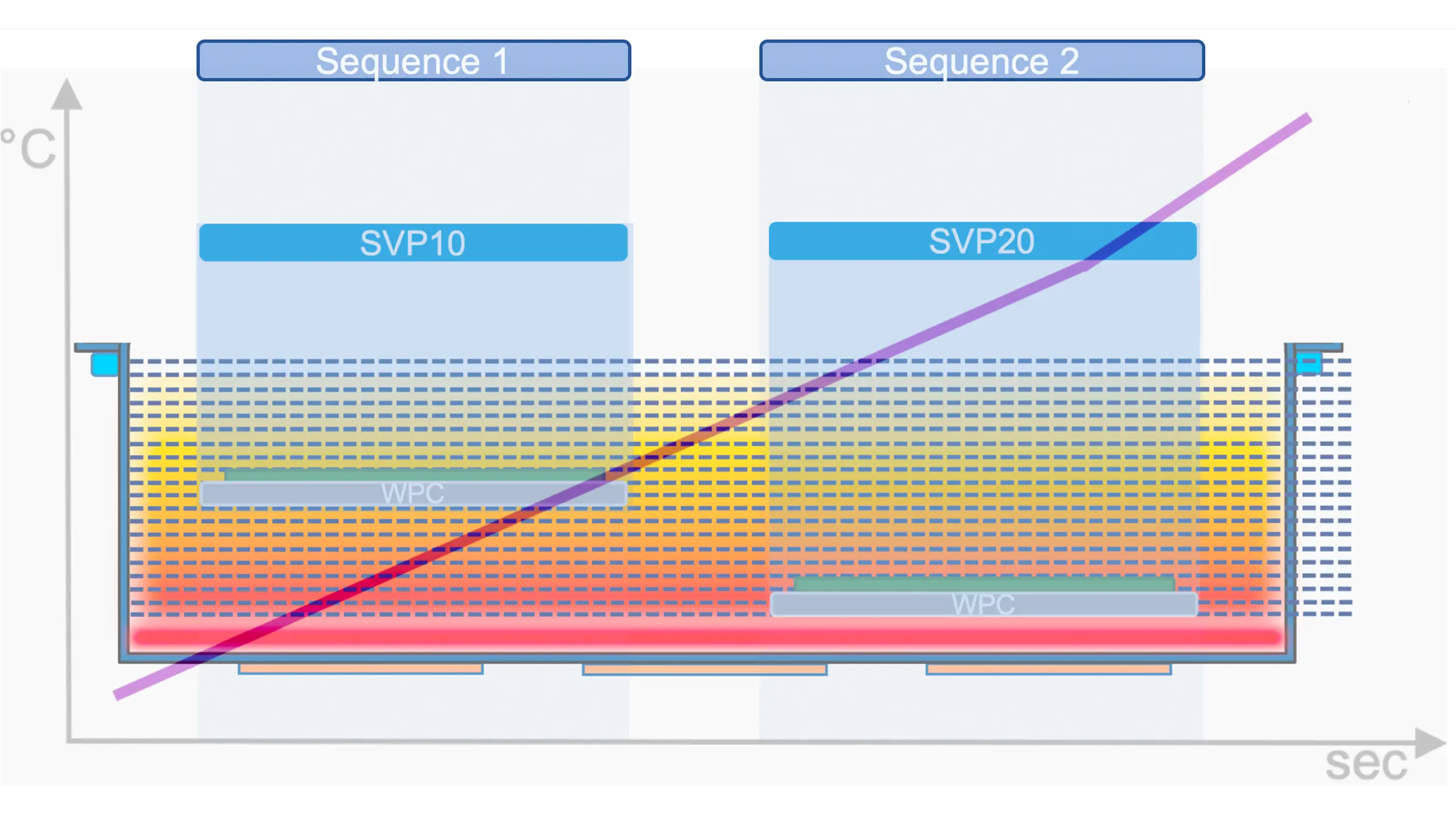
With features such as Automatic Gradient Control (AGC)), Soft Vapor Phase (SVP), Intelligent Profiling System (IPS), Vapor Energy Control (VEC), and other intelligent process functions allow temperature gradients, energy input, and vacuum cycles to be precisely tailored to each assembly. This results in reproducible processes with high process capability and complete documentation to meet traceability requirements.
Typical Applications
Vapor-phase brazing is particularly suitable for:
Why IBL Soldering Technology?
For many years, IBL has been developing innovative vapor-phase soldering systems for a wide range of applications in electronics manufacturing. The company is considered one of the pioneers of this soldering technology. IBL combines in-depth process expertise with intelligent equipment technology and supports customers from process development through qualification to mass production.
Whether it's a laboratory setup, a batch system, or highly automated manufacturing, IBL offers solutions for reproducible soldering processes, maximum process reliability, and the highest product quality.